
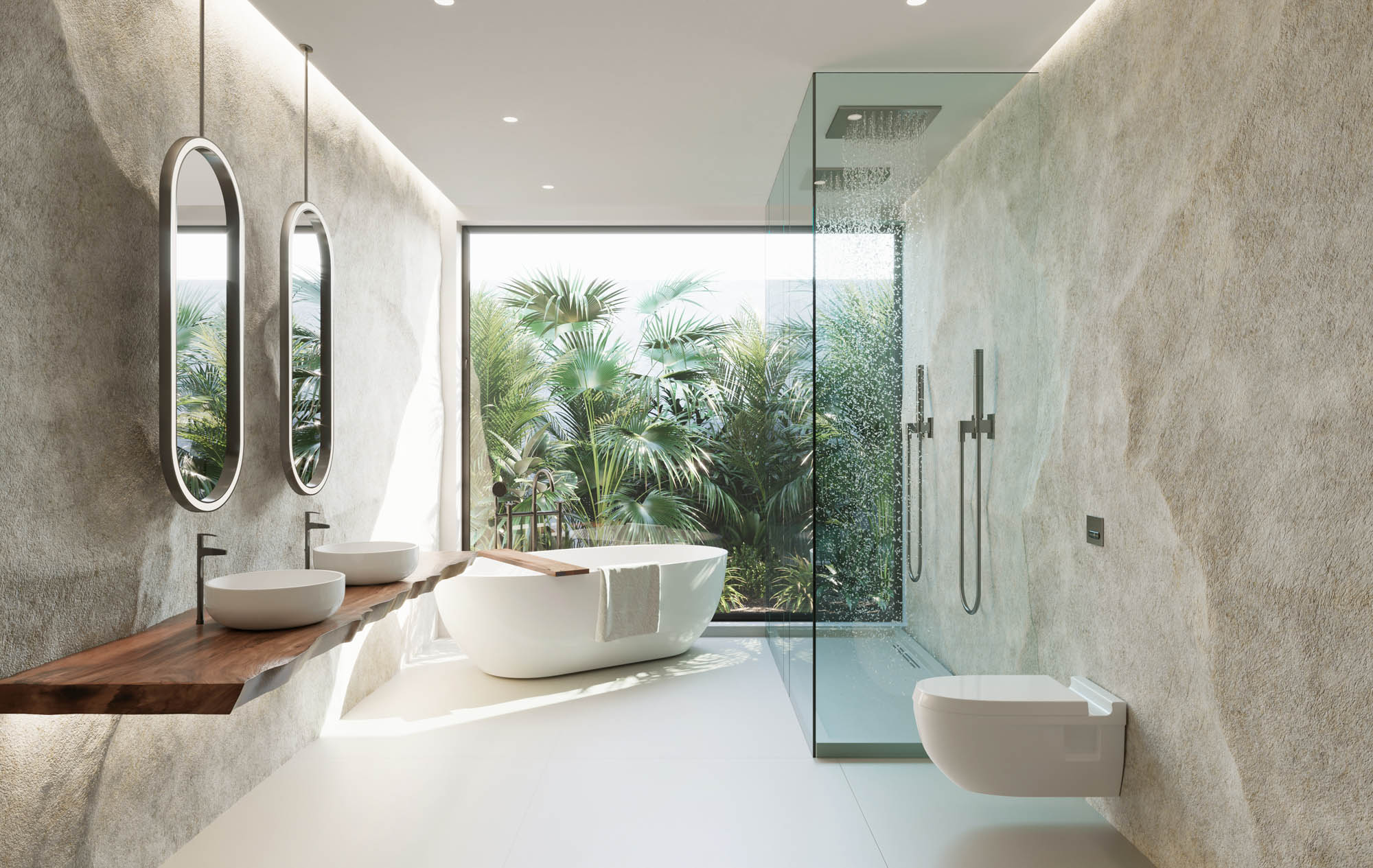
Designing a space to age gracefully requires patience and restraint. It means looking beyond what feels current and focusing instead on what will continue to feel right years from now.
Timeless interiors are often rooted in strong foundations. Proportion, layout, and material selection matter more than decorative moments. When these elements are considered carefully, a space has the ability to adapt as life changes.
Natural materials play a central role in longevity. Wood, stone, and textiles that wear in rather than wear out develop character with time. Small imperfections become part of the story, adding depth rather than detracting from the design.
Restraint is equally important. Spaces that are not overly styled leave room for personal layers to be added slowly. This allows a home to evolve naturally instead of feeling fixed to a specific moment.
Designing for longevity also means prioritizing comfort. A space that feels good to live in will always outlast one designed purely for appearance. When comfort and intention guide decisions, the result is an interior that grows more meaningful with each passing year.

Lume Studio
111 Address Here
Dallas, TX 75050
214.705.9418
hello@sitedomain.com
2026 Copyright Lume Studio. All rights reserved. Privacy Policy. Designed by ocho